“Start Where You Are: The Hidden Power of Knowing Your Team’s Stage”
🧭 Introduction – You Can’t Navigate Without a Map
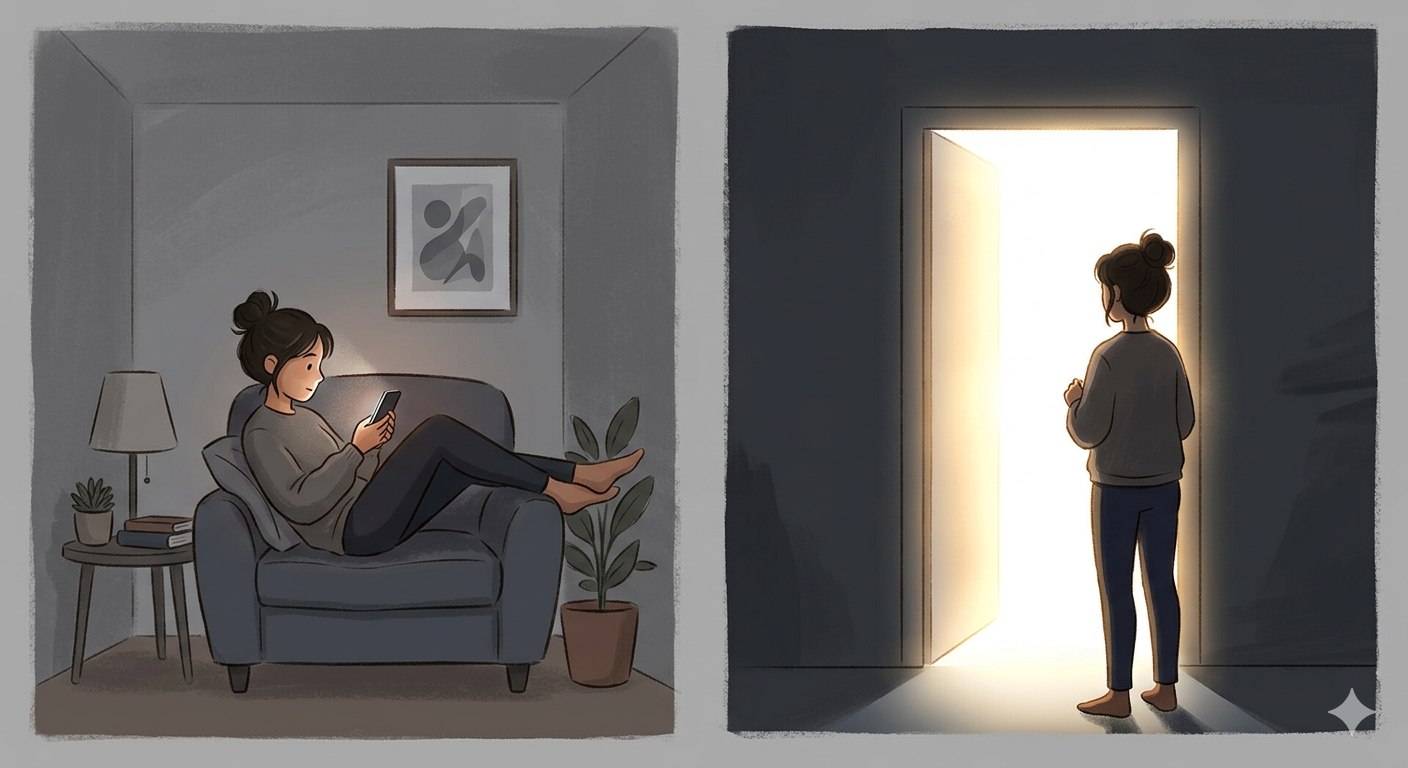
You’re driving the team forward. There’s a goal on the horizon. You know where you want to go – but do you really know where you’re starting?
Many leaders don’t. And that’s not a criticism – it’s a reflection of how we’re trained. We’re taught to plan, to act, to move. But rarely are we taught to pause, observe, and locate ourselves on the journey.
Over the years, I’ve come to see that most of the problems teams face aren’t about motivation or talent – they’re about timing. We try to run before we’ve found our balance. We push for performance before we’ve built trust. We demand alignment before we’ve had the hard conversations.
Knowing where your team is in its development isn’t just a “nice to know” – it’s essential. It changes how you lead, what you focus on, and how you measure success.
That’s where the four stages come in.
🔍 The Four Stages at a Glance
1. Dependency & Inclusion – Polite, cautious, eager to fit in. People look to the leader for direction. Real safety is still under construction.
2. Counterdependency & Fighting – Tension rises. People test boundaries, push back, challenge roles. It can feel chaotic, but it’s a necessary shedding of politeness.
3. Trust & Structure – Alignment emerges. Roles become clear. Feedback flows. People start acting as a team – not just a group.
4. Work & Productivity – This is flow. The team is real, resilient, and ready. Energy goes to the work, not the drama.
These stages come from Susan Wheelan’s Integrated Model of Group Development — a research-based framework built on decades of psychological insights into what makes teams tick.
And here’s the twist: it’s not linear. Teams move forward, slide back, reset when someone new joins, shift after a tough setback.
🛠️ Why It Matters
When you know your team’s stage, you stop taking things personally. You understand the context. The silence in Stage 1? It’s not resistance – it’s uncertainty. The pushback in Stage 2? Not disrespect – but a bid for autonomy.
You lead differently. In Stage 1, you create safety. In Stage 2, you stay steady during the storm. In Stage 3, you clarify and coach. In Stage 4, you protect the zone and elevate the game.
It also helps your team understand itself. One of the most powerful moments I’ve seen is when a team realizes: “Oh, this is normal. We’re in Stage 2.” Suddenly, they stop blaming and start building.
🎮 What Miki Island Does With This
In Miki Island, these stages don’t stay theoretical – they come alive. You see the hesitancy, the conflict, the alignment, the performance – often within the same session.
And because it’s a game, people drop their guard. They don’t talk about the stages – they live them. And then reflect on them. It creates a shared language. “We were stuck in Stage 1.” “That moment felt like Stage 3.” “We hit flow – Stage 4!”
That shared awareness becomes a turning point.
🎯 Closing Invitation – Locate Before You Lead
Where is your team, really?
Not where you hope they are. Not where they were three months ago. But now.
What are they ready for – and what do they need?
If you’re not sure, that’s okay. Let’s start with a conversation. Let’s find the map. And then, let’s walk it together – one stage at a time.
#MikiIsland #SeriousGame #BusinessSimulation #ExperientialLearning #CollectiveIntelligence #LeadershipDevelopment